
Home › 15 Tenets for Positive Masculinity › Tenet 14: Environmental Stewardship
Modern convenience makes replacement feel like the default answer.
A chair wobbles, a bicycle shifts poorly, a lamp stops working, or an appliance makes a new sound. The quickest search result is often a new product, not a repair path.
Repair asks a different question: has this object reached the end of its useful life, or have we stopped expecting ourselves to maintain it?
The repair-first test
Repair is not a moral performance. It is a practical test before useful material becomes waste.
Repair Preserves More Than the Object
Keeping an item in service preserves the materials, manufacturing energy, packaging, and transportation already invested in it.
It also delays the environmental cost of producing and delivering its replacement.
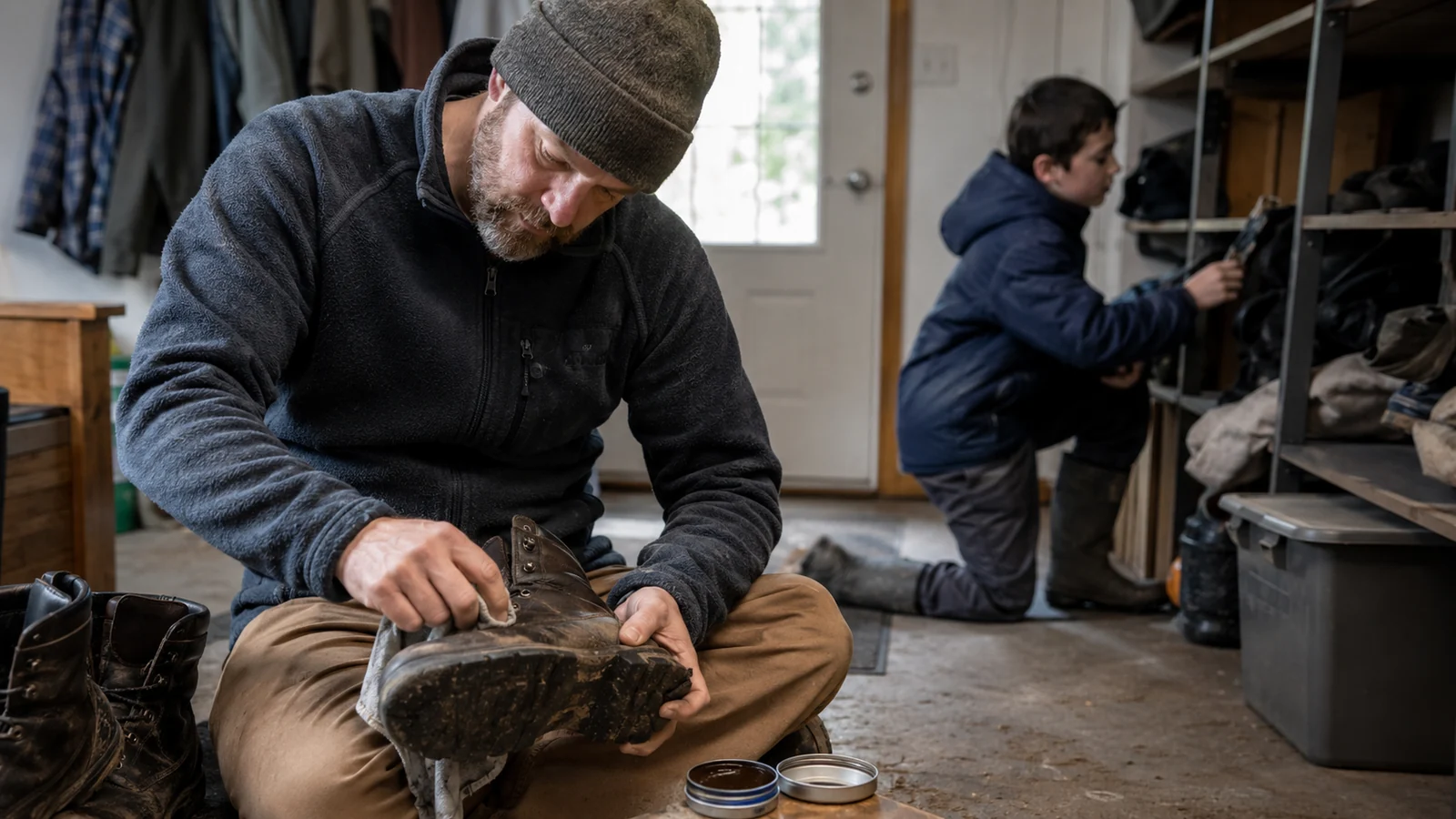
Maintenance Is the First Repair
Cleaning, lubrication, tightening, adjustment, and timely replacement of wear parts prevent many breakdowns.
A maintenance schedule is less dramatic than rescuing a failed object, but it is usually cheaper and more effective.
Competence Grows Through Small Repairs
Not every repair requires expertise. A man can learn to patch, tighten, replace a cord, adjust a brake, refinish a surface, or diagnose a simple failure.
The goal is not reckless self-reliance. It is enough competence to understand the problem and know when to call someone qualified.
Safety Sets the Boundary
Electrical systems, structural damage, gas appliances, vehicles, and specialized equipment can create serious risk. Saving money is not worth pretending expertise.
Responsible repair includes recognizing when licensed work or replacement is the safer decision.
Replacement Can Still Be Responsible
An object may be unsafe, inefficient, unsupported, or more costly to repair than its remaining use justifies.
The discipline is to reach that conclusion after diagnosis rather than using inconvenience as proof that replacement is necessary.
A repair-first decision
- Identify the failure instead of describing the whole object as broken.
- Check cleaning, adjustment, consumable parts, and manufacturer guidance.
- Compare repair cost with expected remaining life—not only purchase price.
- Consider borrowing tools or using a local repair service.
- Choose safety over pride when the work exceeds your competence.
- Recycle or dispose of the replaced object responsibly.
Repair changes the relationship between a person and the material world. Objects stop appearing as sealed products that are useful until they suddenly become trash.
They become systems that can be understood, maintained, and sometimes restored.
Common Experience and Application
Repair Culture Has to Be Relearned
Many products are difficult to open, diagnose, or service. Manuals disappear, parts are restricted, and labor can cost more than replacement. These are real barriers, not personal failures.
Even so, consumers can choose repairable products, support local trades, use community repair events, and favor companies that publish parts and service information.
The Value of a Good Diagnosis
Replacing random parts is not repair. A useful diagnosis begins with symptoms, conditions, recent changes, and the simplest likely causes.
This habit protects money and prevents a repair attempt from creating more waste. It also helps a professional work efficiently when the problem moves beyond your skill.
Repair Builds Respect for Skilled Work
Watching an experienced technician restore an object reveals knowledge that consumer culture tends to hide. Repair requires judgment, touch, sequence, and familiarity with failure.
Paying fairly for competent work is part of stewardship. Cheap replacement is not always cheaper when it weakens the local capacity to maintain what communities already own.
Do Not Let the Perfect Repair Become Another Delay
A broken item can sit for years because the owner imagines a future restoration that never begins. Set a decision date. Repair it, schedule the work, transfer it to someone who will, or dispose of it properly.
Indefinite storage does not preserve usefulness. Stewardship includes finishing the decision.
Preventive Maintenance Is the Cheapest Repair
Repair culture often receives attention only after failure. The more important work happens earlier: cleaning filters, lubricating moving parts, protecting material from moisture, tightening fasteners, checking tires, updating software, and responding to small changes before they become major damage.
Preventive maintenance is easy to postpone because the object still works. That is exactly why a schedule matters. Waiting for visible failure turns inexpensive attention into an urgent purchase.
The schedule does not need to be elaborate. Connect recurring tasks to seasons, mileage, operating hours, or a calendar reminder. Record the service where the next person responsible can find it.
A repair-first sequence
- Make the object safe and stop using it if continued operation could cause damage.
- Describe the symptom precisely and note when it began.
- Check maintenance items, consumables, settings, connections, and documented common failures.
- Estimate repair cost, remaining useful life, energy use, and safety.
- Repair personally only within your competence; otherwise use a qualified service.
- If replacement is justified, recover parts and materials through the proper channel.
When Cheap Replacement Distorts the Decision
A replacement can cost less at the register because environmental and labor costs are carried elsewhere. That does not mean every repair is economical, but sticker price alone is an incomplete comparison.
Consider quality. Repairing a solid chair, serviceable bicycle, or well-built appliance may preserve something better than the cheapest replacement available. Consider time as well: waiting months for a part can make a different decision reasonable when the item is essential.
Stewardship is not a command to save every object. It is a refusal to let convenience make the decision before diagnosis has begun.

Real-World Situations
A bicycle that shifts poorly
The bicycle may need cable adjustment, lubrication, or a replaceable wear part rather than retirement. A repair shop can often diagnose the problem quickly and restore years of use.
This is repair at its best: understandable, safe when done correctly, and clearly cheaper in material than replacing the entire machine.
A small appliance that stops working
Begin with the outlet, cord, switches, filters, obstruction, and manufacturer guidance. If sealed electronics or electrical risk are involved, stop and use a qualified technician.
The repair-first habit does not require opening everything. It requires enough diagnosis to avoid throwing away a working system because one component failed.
Furniture with a loose joint
A chair or table can often be tightened, glued, reinforced, or refinished. The repair may reveal whether the piece was built to remain serviceable.
Even when professional labor is needed, repair can preserve better material and workmanship than a low-cost replacement.
Maintain before failure, diagnose before disposal, and repair when safety, cost, and remaining life make the work responsible.
Part of Tenet 14: Environmental Stewardship. Previous: Stewardship Starts With What You Already Own. Next: Environmental Responsibility Without Purity Tests.