Home › 15 Tenets for Positive Masculinity › Tenet 14: Environmental Stewardship
Environmental responsibility is often marketed as a shopping decision.
Buy the efficient model. Replace the old material. Upgrade to the product carrying the correct language. Some purchases are genuine improvements. But buying a new identity is easier than caring for the things already in your hands.
Stewardship begins before replacement. It begins with attention.
Stewardship begins before shopping
The most responsible possession is often the one you maintain well enough not to replace yet.
Ownership Creates a Maintenance Obligation
Every useful object contains material, energy, labor, transport, and eventual waste. Treating possessions as disposable hides those costs after the purchase.
Maintenance honors the work already invested. It also saves money and reduces the demand created by premature replacement.

Neglect Often Looks Like Inconvenience
A dull blade, loose hinge, clogged filter, wet boot, or dirty coil rarely feels urgent. Small neglect accumulates until replacement appears easier than repair.
A short maintenance rhythm prevents many failures that later seem unavoidable.
Organizing Is Part of Stewardship
People buy duplicates because they cannot find what they own. Supplies expire unseen. Tools rust under clutter. Clothing disappears into storage.
Order is not merely aesthetic. It keeps resources visible and usable.
Use Things for Their Intended Life
Saving an object so carefully that it is never used is another form of waste. Good tools, cookware, outdoor gear, and household equipment should serve the life they were purchased to support.
Stewardship is not hoarding. It is useful possession joined to responsible care.
Know When Keeping Becomes Wasteful
Some equipment becomes unsafe, inefficient, or impossible to repair. Holding it forever is not automatically virtuous.
The question is whether replacement solves a real problem after maintenance, repair, resale, donation, and responsible disposal have been considered.
A one-hour ownership audit
- Choose one small area: a closet, tool shelf, kitchen cabinet, or utility corner.
- Identify what needs cleaning, sharpening, charging, drying, or adjustment.
- Set aside duplicates that can be donated or sold.
- Record replacement parts or routine service dates.
- Dispose of hazardous or unusable items through the proper local channel.
This work is ordinary by design. It will not look like activism or produce a dramatic before-and-after story.
It builds the habit beneath environmental responsibility: caring for resources when nobody is watching.
Common Experience and Application
Maintenance Saves Attention as Well as Money
Broken and disorganized possessions create repeated small decisions. Where is the charger? Is the tire safe? Did the filter get changed? Can the coat still be repaired?
A modest maintenance system reduces that mental clutter. Labels, service dates, proper storage, and a short seasonal checklist keep responsibility from depending on memory.
Clothing Is a Useful Place to Practice
Clothing carries material, labor, water, and transportation costs, yet small failures often send wearable items toward disposal. Buttons, seams, stains, zippers, and worn soles are frequently repairable.
Basic care—washing appropriately, drying carefully, rotating use, and making simple repairs—extends life without requiring a perfect minimalist wardrobe.
Care Is Not the Same as Sentimentality
Some people keep every object because disposal feels wasteful or emotionally difficult. The result can make useful things inaccessible and burden the household.
Stewardship asks whether an item is serving, likely to serve, or better transferred to someone who will use it. Responsible release is part of responsible ownership.
Buy With Maintenance in Mind
When replacement becomes necessary, consider whether parts are available, surfaces can be cleaned, batteries can be replaced, and the product can be serviced locally.
Purchase price is only one part of cost. Durability and repairability determine how long the material remains useful.
The Hidden Cost of Losing Track of What You Own
Disorganization creates waste without looking like waste. Food expires behind newer food. A missing tool is purchased again. Clothing remains unused because it cannot be seen. Batteries, paint, hardware, and cleaning supplies multiply in separate corners of the house.
The environmental cost is joined to a financial one. Households repeatedly pay to solve the same need while usable material sits elsewhere. Order does not require a showroom. It requires enough visibility to know what is available before acquiring more.
A simple inventory of high-use and high-cost items can change decisions immediately: tools, seasonal equipment, appliances, electronics, outdoor gear, and household supplies.
| Condition | Responsible next step | Question to answer |
|---|---|---|
| Working and used | Maintain and store properly | What will extend its useful life? |
| Working but unused | Sell, donate, lend, or repurpose | Who can use this now? |
| Damaged but repairable | Diagnose and schedule repair | Is the repair safe and proportionate? |
| Unsafe or exhausted | Replace and dispose responsibly | What is the correct recovery channel? |
Ownership and the Discipline of Enough
Stewardship eventually confronts appetite. Maintenance can extend an object’s life, but it cannot compensate for constant acquisition. A home can be full of durable things that were never needed.
Enough is not deprivation. It is the ability to recognize when a real need has been met. That recognition protects money, space, attention, and material from the cycle of purchase, neglect, and disposal.
Before buying, ask what problem the object solves, whether something already owned can solve it, how it will be maintained, and where it will go when its useful life ends. Those questions make ownership more deliberate without turning every purchase into a moral crisis.
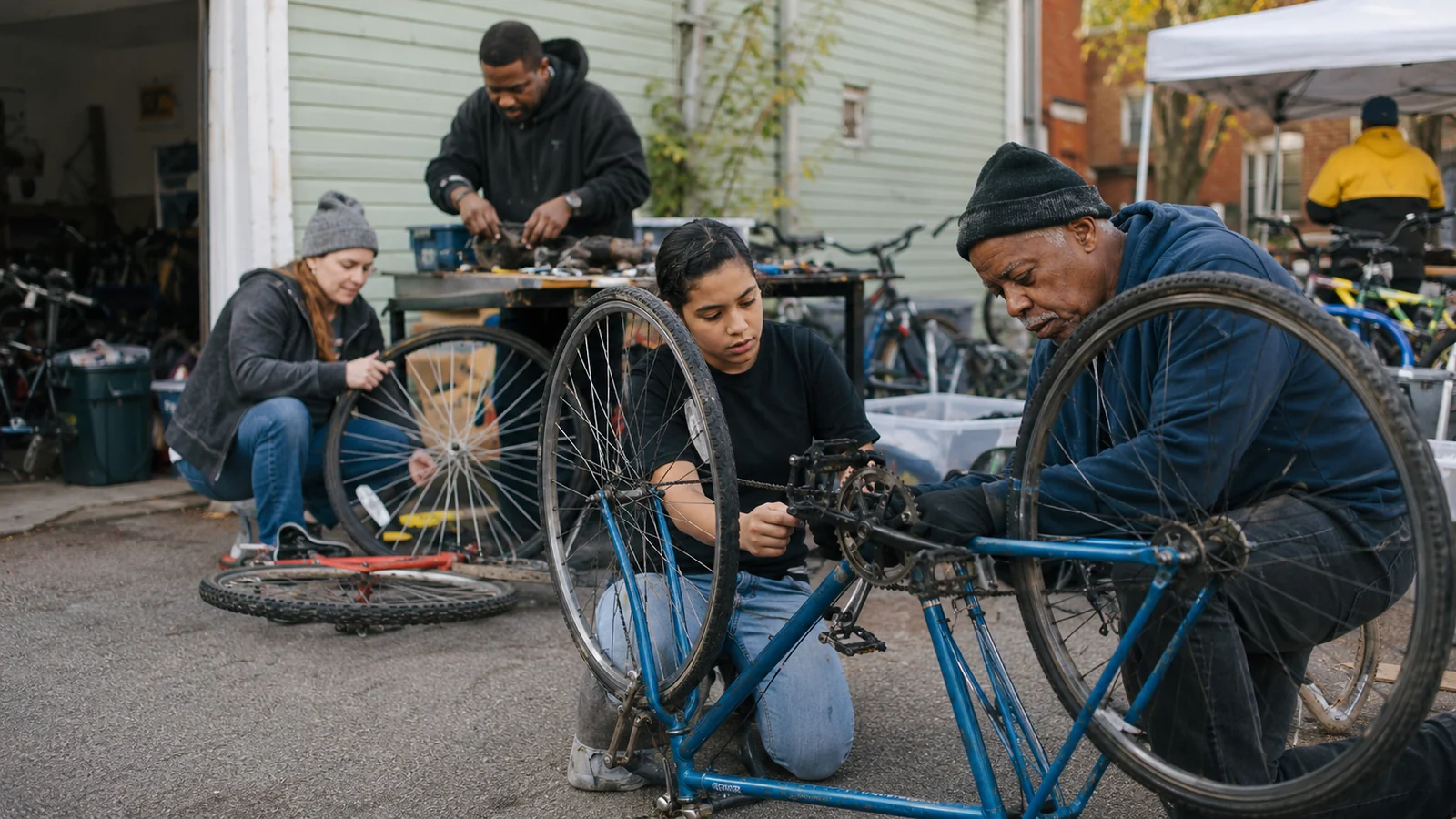
Real-World Situations
In the kitchen
Sharp knives, clean refrigerator coils, maintained seals, and organized food reduce waste while making daily work easier. Small care prevents spoiled food and premature appliance failure.
A kitchen does not need to look perfect. It needs systems that allow people to see what they have and use it before buying more.
In the garage or utility area
Fluids, batteries, filters, tools, and seasonal equipment deteriorate when storage is careless. A few labeled locations and recurring checks protect both safety and value.
The goal is not an immaculate display. It is readiness: the needed object works when the household depends on it.
With digital equipment
Phones and computers also contain material and energy. Protective cases, careful charging, software maintenance, storage cleanup, and battery replacement can extend useful life.
Upgrading may eventually be justified, but novelty alone is not evidence that functioning equipment has become inadequate.
Care for what is already yours, release what another person can use, and buy new material only with a plan to keep it useful.
Part of Tenet 14: Environmental Stewardship. Previous: Tenet 14: Environmental Stewardship. Next: Repair Before Replace.